Source Wool Felt Hat for Promotional, Outdoor, and Casual Use
Find 30 wool felt hat options for promotional, outdoor, and casual use. Compare customization, materials, packaging details, and technical specifications to select the right supplier for your specific business needs and quality requirements; compare the available evidence and request quotations based on your requirements.
Key considerations
Products List

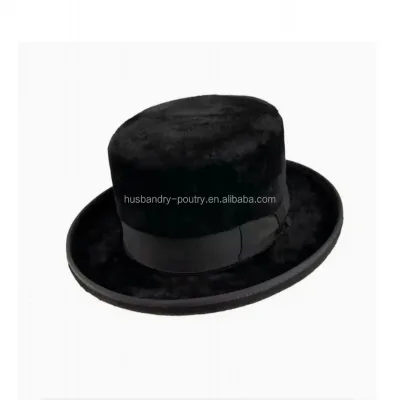

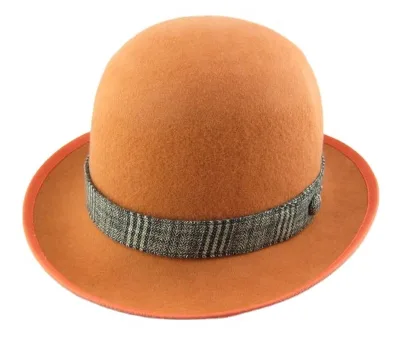
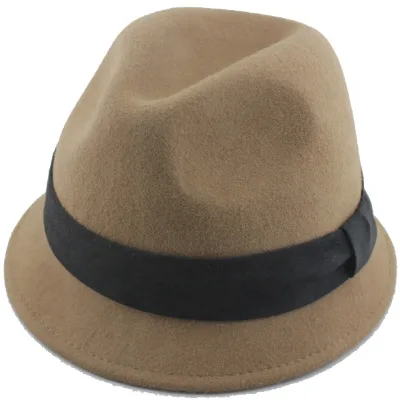
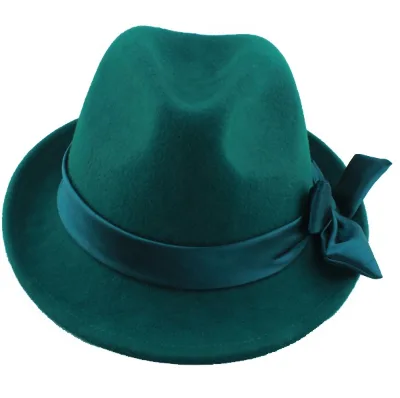


Comprehensive Sourcing Guide
Wool Felt Hat Sourcing Guide
Buyers evaluating wool felt hats must first distinguish between promotional caps and premium headwear, as the market offers distinct product categories with different material requirements. The observed listings reveal a split between 100% cotton promotional caps and high-end 100% wool felt options, requiring clear specification of the intended use case before engaging suppliers. Understanding this distinction prevents the accidental procurement of cotton blends when genuine wool is required for specific seasonal or branding needs.
Procurement teams should also verify the specific style attributes, such as the fedora shape or orange wool felt designs, to ensure alignment with target demographics. The data indicates options for both female and general adult markets, with styles ranging from plain patterns to embroidered designs. Clarifying whether the order requires a specific crown shape or accessory type like ribbons and ropes is essential to avoid receiving generic inventory that fails to meet the brand's aesthetic standards.
Product Scope and Observed Listing Signals
The current market signals indicate a diverse range of wool felt hats available from Chinese origins, specifically noting production hubs in Zhejiang and Hebei provinces. Buyers will encounter variations in single package sizes, ranging from 35x35x20 cm to 35x35x25 cm, which directly impacts logistics planning and container loading efficiency. These physical dimensions suggest that the hats are often shipped in bulk cartons containing 250 pieces, necessitating careful calculation of total volume for international freight.
Seasonal applicability is a critical signal, with listings explicitly targeting fall and winter markets while also noting four-season versatility for certain cotton-based promotional items. The observed weight ranges between 100g and 140g per unit, providing a baseline for shipping cost estimations and handling requirements. Buyers must confirm if the specific model, such as SAT-13672 E, includes optional features like water repellency or satin linings, as these attributes significantly alter the product's suitability for outdoor travel or casual occasions.
Technical Specifications to Verify
Technical verification must begin with material composition, as the distinction between 100% cotton and 100% wool is fundamental to the product's performance and value. Buyers should request physical samples to confirm the fabric feature, specifically checking for breathability and the smooth finish described in the product data. It is crucial to validate that the wool felt meets the expected density and texture, ensuring it does not degrade or lose shape during the intended fall and winter usage periods.
Manufacturing techniques also require strict scrutiny, particularly regarding the application of logos and patterns. The listings mention embroidery, heat-transfer printing, and digital printing as available methods, each offering different durability and aesthetic outcomes. Procurement teams must specify the exact technique required for their branding, such as the needle detection process mentioned for quality assurance, to ensure the final product maintains the fine quality standard expected in the promotional cap and fashion hat sectors.
Compliance and Safety Documentation
Safety compliance is a non-negotiable aspect of sourcing, with specific references to CE and RoHS standards appearing in the product data. Buyers must verify that the wool felt hats and their accessories, such as ribbons and ropes, meet these regulatory requirements for the target export markets. This verification extends to the chemical treatments used for optional features like water repellency, ensuring that no prohibited substances are present in the final finished goods.
Quality control documentation should also include evidence of needle detection, a critical safety step for headwear that may contain metal components or be used by children in specific contexts. Although the primary target is adults, the presence of a needle detection protocol indicates a robust internal quality system. Buyers should request test reports confirming that the satin linings and felt materials are free from harmful dyes or allergens, ensuring the product is safe for direct skin contact during extended wear.
Cost Drivers and Commercial Terms
Cost structures for wool felt hats are heavily influenced by the complexity of customization and the specific material composition chosen. The observed Minimum Order Quantity (MOQ) of 500 pieces suggests that unit costs will decrease significantly with larger volumes, but buyers must balance this against their inventory risk. The inclusion of optional features like custom hatbands or specific lining materials will add to the base price, requiring a detailed cost breakdown before finalizing the purchase order.
Commercial terms must clearly define the packaging configuration, as the standard of 1 piece per OPP bag and 250 pieces per carton affects both labor costs and shipping efficiency. Buyers should negotiate lead times based on the production location, whether Zhejiang or Hebei, as regional capacity can impact delivery schedules. Additionally, the selling unit configuration, whether single item or bulk, must be aligned with the buyer's retail strategy to avoid unnecessary repackaging expenses at the destination.
Supplier Qualification and Quality Control
Supplier qualification requires a deep dive into their production capabilities, specifically their ability to handle the diverse styles ranging from plain patterns to embroidered designs. Buyers should assess the supplier's experience with the specific model numbers observed, such as SAT-12462 B, to ensure they have the technical expertise to execute the required heat-transfer printing or embroidery accurately. A supplier's history with fine quality classifications indicates a mature production process capable of maintaining consistency across large batches.
Quality control protocols must be verified through on-site audits or third-party inspections, focusing on the critical attributes like head circumference and weight consistency. The data specifies a head circumference of 56-58 cm, and deviations from this standard can lead to high return rates. Buyers should implement a rigorous inspection plan that checks for the smooth finish, proper attachment of accessories, and the integrity of the felt material to ensure every unit meets the defined quality standards before shipment.
Long-Term Procurement Checks
Establishing a long-term partnership requires regular performance reviews against the initial specifications, including the seasonal adaptability and fabric features of the wool felt hats. Buyers should monitor the consistency of the product origin and the reliability of the supply chain, particularly given the potential for seasonal demand spikes in fall and winter. Continuous communication regarding any changes in material sourcing or production techniques is essential to maintain the product's integrity over multiple order cycles.
Future procurement strategies should also account for the evolving market trends in promotional caps and fashion headwear, ensuring the supplier can adapt to new style requests like different crown shapes or color variations. The availability of a free catalogue suggests a dynamic product line, but buyers must verify that the supplier can maintain the same level of quality and compliance as new designs are introduced. Regular audits of the supplier's quality management system will help sustain a reliable supply of high-performance wool felt hats.
FAQs
What is the minimum order quantity for custom wool felt hats?
The listed minimum order quantity is 500 pieces per style. Customization such as embroidery or heat transfer printing is available at this quantity. Smaller trial orders may be possible for some suppliers, but buyers should confirm MOQ flexibility directly before placing a sample order, since decorative processes and fabric choices can affect the final requirement.
Can wool felt hats be customized with our own logo or design?
Yes, customization is available. Logos can be applied through embroidery or heat transfer printing, and options like satin lining, felt hatband, or water repellent finish can be requested. Buyers should provide artwork files and confirm the printing method with the supplier, since digital printing and heat transfer each suit different design complexities and color counts.
What sizes and weights are typical for these wool felt hats?
The head circumference typically ranges from 56 to 58 centimeters, which fits most adults, and the weight falls between 100 and 140 grams depending on style. Buyers targeting other markets should confirm whether sizing can be adjusted. Adults are the listed age group, so separate sizing development would be needed for children's ranges.
How are wool felt hats packed for shipping?
Packing is one piece per OPP bag with 250 pieces per carton, and each single package measures approximately 35 by 35 by 20 to 25 centimeters with a gross weight around one kilogram. Needle detection is performed before shipment. Buyers with retail-ready packaging requirements should discuss custom carton markings and inner box options with the supplier.
Which materials are used in these hats, wool or cotton?
The catalog includes both 100% wool felt hats and 100% cotton promotional caps, so buyers should confirm the material of each specific model. The wool felt styles feature fedora crowns with plain or embroidered patterns and may include optional water repellent treatment. Material choice affects weight, hand feel, and suitability for fall and winter seasons.
What is the difference between embroidery and heat transfer printing on felt hats?
Embroidery stitches the logo directly into the felt, giving a raised, durable finish that suits simple logos and premium positioning. Heat transfer printing applies a digital graphic onto the surface, allowing photographic detail and multiple colors at lower cost. The choice depends on design complexity, budget, and whether the hat is positioned as promotional or fashion merchandise.
Are these wool felt hats suitable for all seasons or only winter?
The felt styles are positioned for fall and winter wear, matching the insulating properties of wool. Some catalog items list four-season applicability, typically the lighter cotton or breathable fabric styles. Buyers should match material and weight to their target season, and request fabric specifications and finish details when planning a year-round assortment.
What quality checks should buyers expect before wool felt hats ship?
Listed quality indicators include fine workmanship, a smooth finish, needle detection, and conformity to CE and RoHS standards for applicable items. Buyers should additionally request pre-shipment inspections covering colorfastness, brim shape retention, and printing durability. Confirming inspection procedures and defect tolerance levels in advance helps avoid disputes when bulk goods arrive.